


Solutions
For Exporters & Importers

For Freight Forwarders and Logistics Service Providers
Bill of Lading Tracking vs Container Tracking: What Logistics Teams Should Know


6 Minutes
Bill of lading tracking and container tracking are two fundamental methods logistics teams use to monitor ocean freight shipments. Understanding their differences and applications is critical for operational clarity, shipment visibility, and exception handling. Many teams struggle with delayed updates and visibility gaps because they do not fully grasp whether they should prioritize bill of lading tracking or container tracking. This article provides practical insights into these tracking types, helping logistics professionals improve decision-making and reduce delays with a structured approach.
What Is Bill of Lading Tracking and How It Differs from Container Tracking
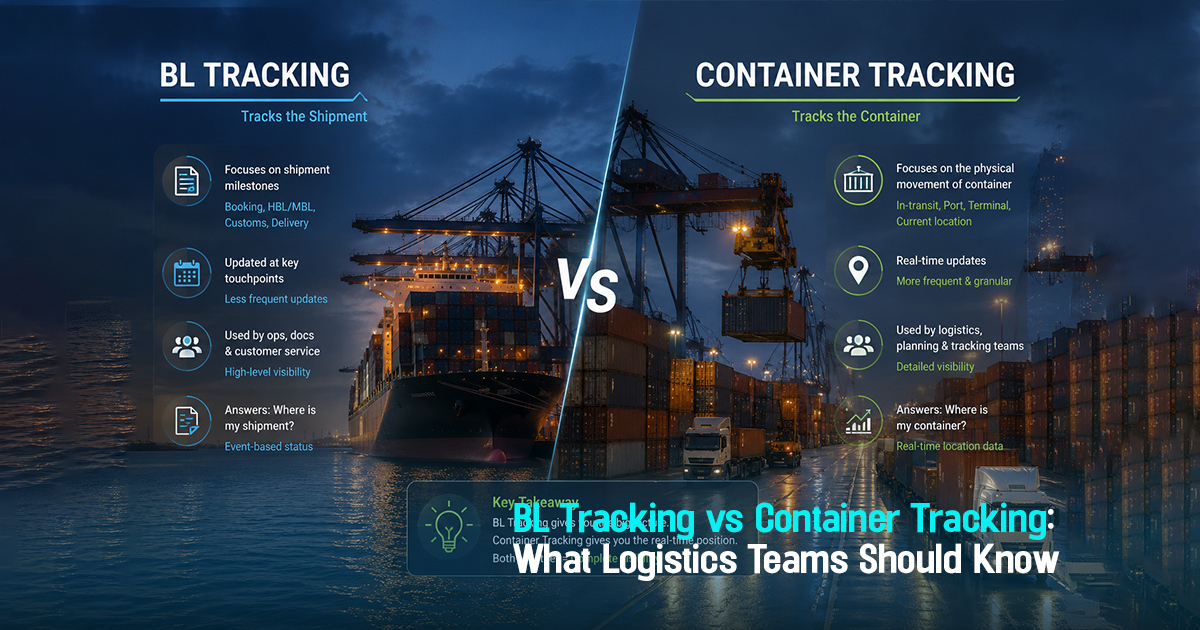
Bill of lading tracking monitors the shipment based on the bill of lading document, which represents the contract of carriage and identifies the shipment specifics including cargo details and consignee. In contrast, container tracking follows the physical container's location and status during transit.
While container tracking offers real-time location updates on the container itself, bill of lading tracking focuses on the shipment’s legal and operational lifecycle, including shipment status updates, documentation checkpoints, and exceptions linked to the cargo. Both are important but serve different operational needs within freight management and shipment visibility workflows.
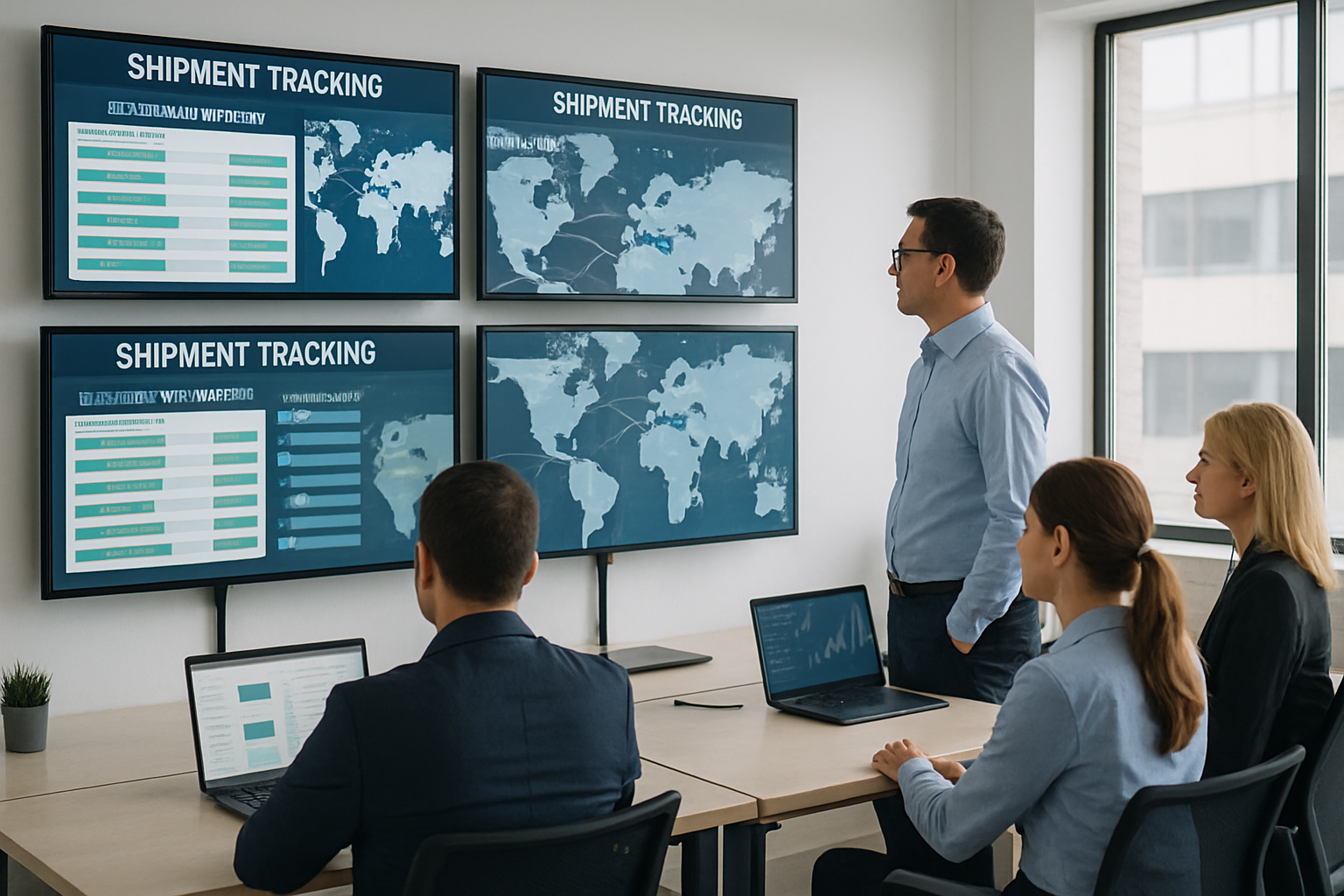
A Practical Workflow Framework for Bill of Lading vs Container Tracking
Integrating both tracking types into a coherent workflow improves clarity and customer communication. A practical framework includes:
1. Bill of Lading Issue: Confirm issuance and accuracy of BL details to initiate shipment tracking.
2. Container Loading and Number Allocation: Assign container numbers linked to the BL to start container tracking.
3. Container Vessel Departure Tracking: Use container tracking for real-time ETA, ETD, and location updates.
4. Bill of Lading Status Updates: Monitor BL-related events such as vessel arrival, transshipment, and customs clearance.
5. Exception and Milestone Management: Flag and address exceptions rapidly using combined BL and container insights.
6. Customer Communication and Documentation Handoffs: Share synchronized updates based on verified BL and container status.
7. Shipment Closure and Audit: Confirm delivery and document handoff before closure, using both tracking systems for audit trails.
Key Differences Between Bill of Lading Tracking and Container Tracking
Bill of lading tracking focuses on shipment contracts and contracts' lifecycle, while container tracking deals with the physical carrier asset. BL tracking covers documentation status, customs checkpoints, and exceptions that may not be visible in container tracking.
Container tracking often provides real-time positional data such as container arrival at port, gate-in, gate-out, and vessel movement but lacks granular shipment-specific information unless linked with BL data. Logistics teams balancing these two streams avoid visibility blind spots.
Role-Wise Insights: What Different Teams Should Monitor
For freight forwarders, coordinating both BL and container details aids in confirming booking accuracy, carrier coordination, and exception resolution. Accurate BL data ensures contracts are reflected correctly at documentation handoffs.
Importers and exporters should focus on milestone tracking within the bill of lading updates to anticipate customs clearance and delivery timings, while container tracking provides ETD/ETA signals to align their inbound supply chains.
Operations teams must track milestone completions, document validations, and coordinate exception management from both container movement data and BL status changes to avoid shipment delays and detention.
Procurement and documentation teams should validate BL details against booking and freight contracts while monitoring container tracking for transit and carrier performance assessment.
Stage-Wise Implementation Breakdown for Effective Tracking
Before Shipment: Validate BL accuracy and confirm container assignments with carriers. Ensure documentation readiness to avoid customs delays.
During Transit: Actively monitor container tracking for location updates and vessel ETAs. Cross-reference with BL milestone status for customs and exception alerts.
Pre-Arrival: Prepare documentation handoffs, confirm customs checkpoints using BL status, and coordinate final delivery plans based on container arrival timing.
Post-Delivery: Verify shipment closure by confirming BL status, document submission, and container return. Audit shipment records against both tracking data.
Visibility and control over both bills of lading and containers are essential for timely freight execution.
Practical Checklist for Bill of Lading and Container Tracking
Use this checklist to align your tracking processes and improve shipment visibility:
- 1. Confirm bill of lading issuance and accuracy immediately after booking.
- 2. Link container numbers to the corresponding bill of lading in your tracking system.
- 3. Monitor vessel ETD and ETA via container tracking for real-time location awareness.
- 4. Track key BL milestones including customs clearance, transshipment, and delivery readiness.
- 5. Assign ownership of exceptions arising from container delays or documentation discrepancies.
- 6. Ensure customer updates integrate both container movement and BL status changes.
- 7. Validate shipment documents before arrival to avoid last-minute customs or delivery delays.
- 8. Record exception handling steps linked to both container and BL tracking for auditability.
- 9. Review detention and demurrage risks periodically using combined tracking data.
- 10. Close shipments only after confirming container return and final BL status reconciliation.

Common Mistakes in BL and Container Tracking—and How to Fix Them
Mistake 1: Relying solely on container tracking for shipment status. This can miss crucial documentation delays or customs issues reflected only in the bill of lading. Fix: Integrate BL milestone tracking to cover documentation and regulatory status.
Mistake 2: Not linking container numbers with BL data causes fragmented visibility and tracking errors. Fix: Establish mandatory data validation during booking to align container and BL references.
Mistake 3: Delayed exception ownership when a container is stuck but BL shows cleared status leads to customer escalations. Fix: Use centralized shipment tracking tools that flag discrepancies and assign owners promptly.
Mistake 4: Failure to update customers with combined BL and container status causes trust gaps. Fix: Implement exception-first communication workflows delivering synchronized shipment updates.
Mistake 5: Overlooking detention and demurrage risks by tracking only container movement, ignoring BL-related customs delays. Fix: Monitor key BL benchmarks tied to customs clearance dates to anticipate potential charges.
Frayto-Aligned Workflow for Integrated Shipment Tracking
An effective tracking workflow blends freight procurement discipline with centralized shipment visibility. It includes these practical steps:
Freight Procurement Approval → Booking Confirmation → Bill of Lading Issuance → Container Assignment → Milestone Tracking and Exception Handling → Customer Updates → Shipment Closure and Audit.
This process ensures BL accuracy before container allocation, continuous milestone tracking with ETA/ETD monitoring, timely exception resolution, and consistent customer communication. Operational clarity emerges when both BL and container data feed into one centralized platform, enabling better risk control and audit readiness.
Three Real-World Examples Highlighting BL and Container Tracking Differences
Example 1: A shipment to Europe faced customs clearance delays due to missing BL amendments. Container tracking showed the container arriving on time, but BL tracking revealed the documentation issue that caused demurrage penalties.
Example 2: A freight forwarder managing multiple clients observed frequent customer escalations due to inconsistent updates. Upon integrating container and BL tracking, they centralized milestone communication, reducing follow-ups and improving transparency.
Example 3: An importer relying only on container ETAs missed last-minute transshipment delays documented in the BL updates, resulting in late delivery and additional handling costs. Cross-checking BL events would have provided early exception signals.
How to Manage Bill of Lading Tracking and Container Tracking Together
Start with data integration: Link container numbers directly to BL references in your freight visibility platform.
Establish milestone synchronization: Use BL event updates to validate container tracking status and identify exceptions early.
Assign exception ownership: When BL or container events diverge, designate a specific team or owner to resolve discrepancies rapidly.
Centralize customer communication: Provide unified shipment status that combines the best of BL tracking and container location data for proactive updates.
Monitor detention/demurrage risks: Use BL milestones like customs clearance and container tracking dates to anticipate charges before they occur.
Get in Touch!
We'll reach out shortly with the info you need. No spam, just a helpful conversation.
Recommended Blogs
Freightstory Technologies Private Limited
A-209, Dynasty Business Park, JB Nagar,
Andheri East, Mumbai- 400059, India


For Exporters & Importers
For Freight Forwarders
© 2026 Frayto. All Rights Reserved.