


Solutions
For Exporters & Importers

For Freight Forwarders and Logistics Service Providers
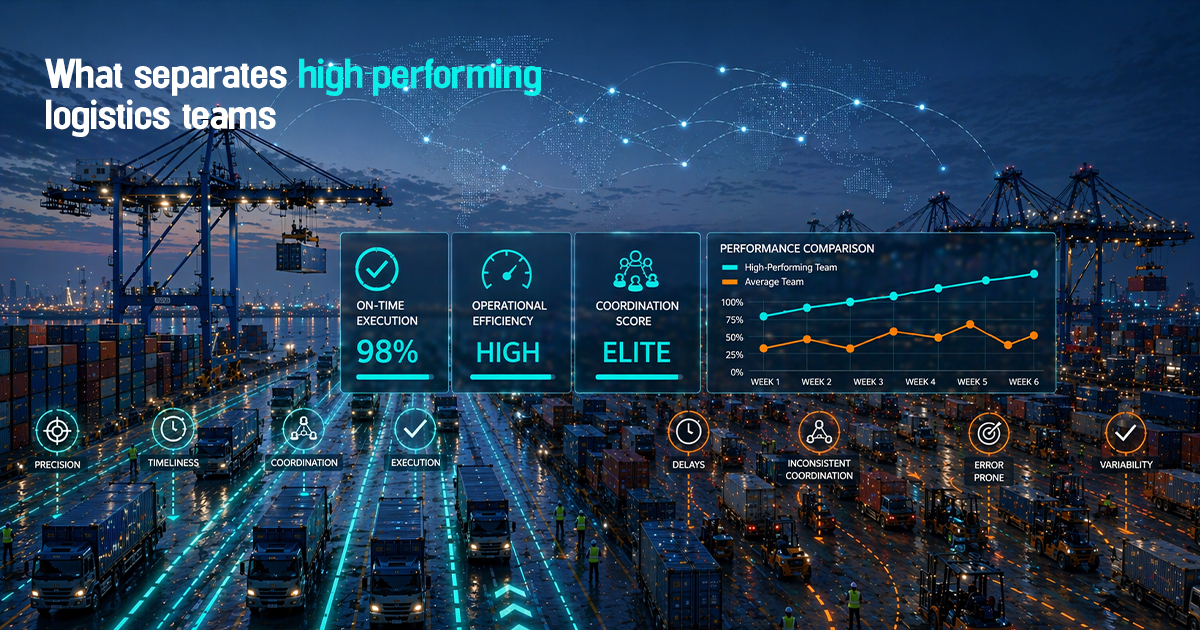
What Separates High-Performing Logistics Teams from the Rest


4 Minutes
High-performing logistics teams are a critical differentiator in achieving supply chain excellence. Operationally, these teams excel in managing complex workflows, coordinating across vendors, and maintaining visibility over freight movements. Understanding what sets these teams apart matters because it directly impacts freight procurement efficiency, shipment tracking accuracy, and overall freight management quality. Yet, many logistics teams face challenges like shipment exceptions, documentation delays, and poor cost control that limit their effectiveness.
Defining High-Performing Logistics Teams
High-performing logistics teams are groups that consistently exceed operational goals by optimizing workflow, ensuring timely communication, and minimizing disruptions through proactive exception handling. These teams maintain strong discipline in documentation, compliance, and vendor coordination to deliver reliable freight operations.
The core traits include clear ownership of responsibilities, structured procurement cycles, and real-time freight visibility. Their ability to control costs such as detention and demurrage fees further strengthens their position as operational leaders in logistics.

Key Operational Challenges Faced by Logistics Teams
Common issues such as shipment visibility gaps, delayed document validation, and ineffective vendor communication cause workflow disruptions. These operational bottlenecks increase risks of delays and unexpected costs, impacting supply chain reliability. Teams without structured exception management often struggle to regain control once issues arise.
In addition, lack of clarity in freight procurement and contract adherence can erode profitability. Insufficient coordination between operations teams and freight forwarders makes it harder to pre-empt detention and demurrage charges, further compromising performance.
Core Traits of High-Performing Logistics Teams
Top teams prioritize timely shipment tracking and data transparency, enabling faster responses to exceptions and enhanced customer communication. They embed compliance checks and document workflows systematically to eliminate costly paperwork errors and delays.
They also focus on collaborative freight procurement strategies, balancing spot and contract rates while continuously auditing vendor performance. Clear role definitions and frequent cross-team updates foster operational alignment and reduce silos that cause process breaks.
Proactive exception handling is the backbone of efficient logistics operations.
How to Build and Sustain High-Performing Teams
Building a high-performing logistics team requires investment in training on logistics operations best practices and operational discipline. Teams must adopt data-driven workflows that prioritize end-to-end shipment visibility and proactive exception handling.
Frequent communication checkpoints and standardized documentation handoffs reduce errors and improve cross-functional coordination. Integrating real-time tracking solutions helps teams stay ahead of delays and supports customer updates, improving service levels without reactive firefighting.
Practical checklist
Steps for enhancing logistics team performance:
- Implement structured freight procurement cycles with clear vendor scorecards.
- Establish real-time shipment visibility across all modes and segments.
- Define roles clearly for document validation, customs checkpoints, and compliance monitoring.
- Schedule frequent coordination meetings to update on exceptions, delays, and follow-ups.
- Use exception-first workflows to prioritize resolving high-impact disruptions quickly.
- Audit detention and demurrage costs regularly to identify improvement opportunities.
- Train teams constantly on evolving shipping regulations and operational best practices.
Common mistakes
Many logistics teams struggle due to unclear ownership and reactive operations instead of structured workflow management. Delays in shipment documentation and weak vendor follow-up often cause cascading exceptions, worsening operational disruptions.
Ignoring visibility gaps and relying on manual tracking methods delays problem detection and increases customer complaints. Lack of continuous freight procurement evaluation lets contract inefficiencies go unchecked, resulting in inflated costs and lost savings.
Workflow framework to improve team output
A simple workflow model for high-performing teams is: Booking → Documentation → Visibility → Exception Handling → Delivery Control. This flow ensures disciplined handoffs, clear accountability, and focus on early issue detection.
By adopting such workflows, teams improve coordination across freight forwarders, customs, and internal operations. Integrating digital solutions for shipment visibility and exception alerts supports this approach and reduces manual workload.

Leveraging technology without overcomplication
Effective logistics teams balance technology adoption with operational simplicity. Overly complex tools can increase process friction, while relevant platforms enable centralized freight management and timely exception notifications. Visibility tools like shipment visibility with Instatrac exemplify this balance.
Teams should focus on platforms that support audit trails, real-time data updates, and streamlined communication without overwhelming users. This approach boosts freight forwarding efficiency and improves overall supply chain performance metrics.
Conclusion
High-performing logistics teams distinguish themselves through structured workflows, continuous communication, and disciplined exception handling. Achieving this level of performance requires focused management of documentation, freight procurement, and shipment visibility, supported by practical technology use. Teams that invest in clear role definitions, regular training, and real-time coordination reduce delays, control costs such as detention and demurrage, and improve overall customer satisfaction. Embedding these operational best practices creates resilience within supply chains and drives consistent execution excellence critical to competing in today’s complex logistics environment. For more operational insights, teams can explore shipment visibility with Instatrac and industry resources such as IMO and UNCTAD.
Get in Touch!
We'll reach out shortly with the info you need. No spam, just a helpful conversation.
Recommended Blogs

Freightstory Technologies Private Limited
A-209, Dynasty Business Park, JB Nagar,
Andheri East, Mumbai- 400059, India


For Exporters & Importers
For Freight Forwarders
© 2026 Frayto. All Rights Reserved.