


Solutions
For Exporters & Importers

For Freight Forwarders and Logistics Service Providers
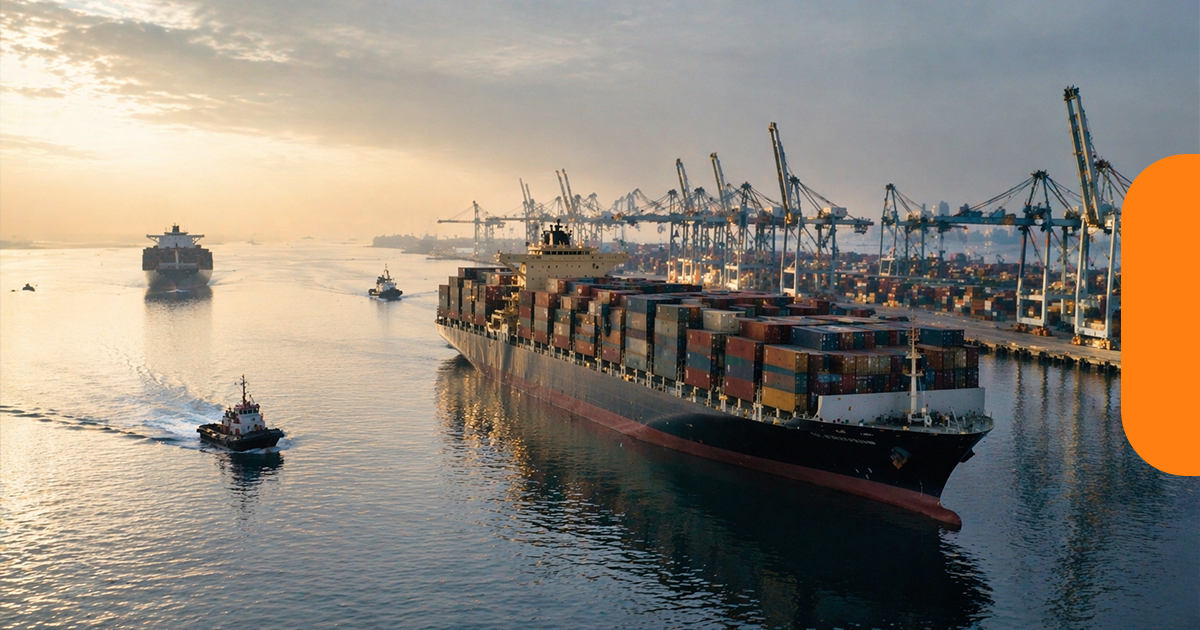
How Logistics Inefficiencies and Freight Costs Are Connected


4 Minutes
Logistics inefficiencies and freight costs are closely intertwined, affecting how companies manage supply chain expenses and operational performance. Delays, poor coordination, and lack of end-to-end visibility can inflate freight costs beyond the obvious line items. Understanding this hidden impact is critical for supply chain managers and logistics teams aiming to optimize their freight spend and improve overall logistics efficiency.
What Are Logistics Inefficiencies and Freight Costs?
Logistics inefficiencies refer to disruptions or suboptimal processes in freight operations that cause delays, higher resource use, or unplanned expenses. Freight costs include all expenses incurred in moving goods, such as transportation, storage, handling, and penalties.
When logistics inefficiencies occur, they directly increase freight costs by causing waste in time, labor, and capital. Recognizing these inefficiencies helps teams implement targeted improvements and reduce hidden freight expenses through better process discipline and operational visibility.

Common Causes of Logistics Inefficiencies
Poor shipment visibility and tracking gaps often lead to reactive operations and delayed decisions. Documentation delays and incomplete compliance checks create bottlenecks and risk demurrage or detention fees.
Vendor coordination issues, such as inconsistent communication or misaligned schedules, inflate lead times and reduce freight capacity utilization. These inefficiencies are primary drivers of unplanned freight cost increases and operational disruptions.
How Logistics Inefficiencies Increase Freight Costs
Delays and exceptions caused by inefficient workflows trigger detention and demurrage fees, freight rerouting expenses, and higher labor costs for exception handling. Manual and fragmented processes slow down freight procurement cycles and reduce auditability, increasing risks of overpaying.
Inefficient load planning and suboptimal booking workflows reduce container utilization and increase per-unit freight costs. Lack of proactive exception management leads to costly last-minute decisions and poor vendor performance feedback loops.
Practical checklist
Improving logistics efficiency starts with a clear, measured approach. Use this checklist to control freight costs by reducing logistics inefficiencies:
- Ensure real-time shipment visibility with milestone tracking to anticipate exceptions.
- Standardize documentation and compliance checkpoints to avoid Customs delays and fees.
- Implement structured procurement workflows to improve bidding, vendor comparison, and audit trails.
- Centralize communication and vendor coordination for synchronized operations.
- Use data-driven freight cost analysis to identify inefficient lanes and cost drivers.
- Introduce exception-first operational discipline to quickly resolve delays and reduce penalty exposure.
Proactive exception management is key to controlling hidden freight costs effectively.
Common mistakes
Overlooking end-to-end visibility keeps teams reactive and invites costly disruptions. Neglecting documentation discipline often causes demurrage and customs clearance delays.
Relying on manual processes for freight procurement or exception handling leads to errors and missed cost-saving opportunities. Additionally, poor vendor performance monitoring prevents timely corrective actions and breeds inefficiencies that escalate freight costs.
Freight cost drivers linked to logistics inefficiencies
Detention and demurrage fees often arise from shipment delays and incomplete handoffs. Expedited freight charges spike due to last-minute rerouting or incorrect load planning.
Increased labor costs from manual exception handling and redundant communication, plus wastage on suboptimal container utilization, are additional contributors. Managing these drivers depends on understanding logistics inefficiencies and creating process improvements to mitigate their impact.
Workflow framework for reducing logistics inefficiencies
A structured workflow helps contain hidden freight expenses by enhancing clarity and responsiveness:
Booking → Documentation → Visibility → Exception Handling → Delivery Control
Each stage builds operational transparency, enabling faster decision-making and reducing cost leakage. This workflow emphasizes proactive exception management and audit-ready records for sustainable freight cost control.

Strategies for freight cost optimization
Leveraging analytics and centralized freight management solutions improves rate discovery and vendor selection. Contractual discipline in procurement avoids costly spot rate fluctuations.
Regularly reviewing freight cost drivers against operational performance highlights inefficiencies to address. Coordinated logistics teams using structured workflows reduce exceptions, improving predictability and cost control.
Conclusion
Logistics inefficiencies significantly increase freight costs through delays, poor coordination, and reactive workflows. Recognizing the root causes and implementing a clear workflow that integrates booking, documentation, visibility, and exception handling is essential. Operational visibility and exception-first discipline empower teams to reduce hidden expenses like detention fees and rushed freight charges. Focusing on process improvements and centralized freight management supports sustainable cost control. Supply chain managers who address logistics inefficiencies with structured solutions optimize freight spending while improving service reliability and compliance. For further insight, consult research from the United Nations Conference on Trade and Development and operational guidelines from the International Federation of Freight Forwarders Associations.
Get in Touch!
We'll reach out shortly with the info you need. No spam, just a helpful conversation.
Freightstory Technologies Private Limited
A-209, Dynasty Business Park, JB Nagar,
Andheri East, Mumbai- 400059, India


For Exporters & Importers
For Freight Forwarders
© 2026 Frayto. All Rights Reserved.